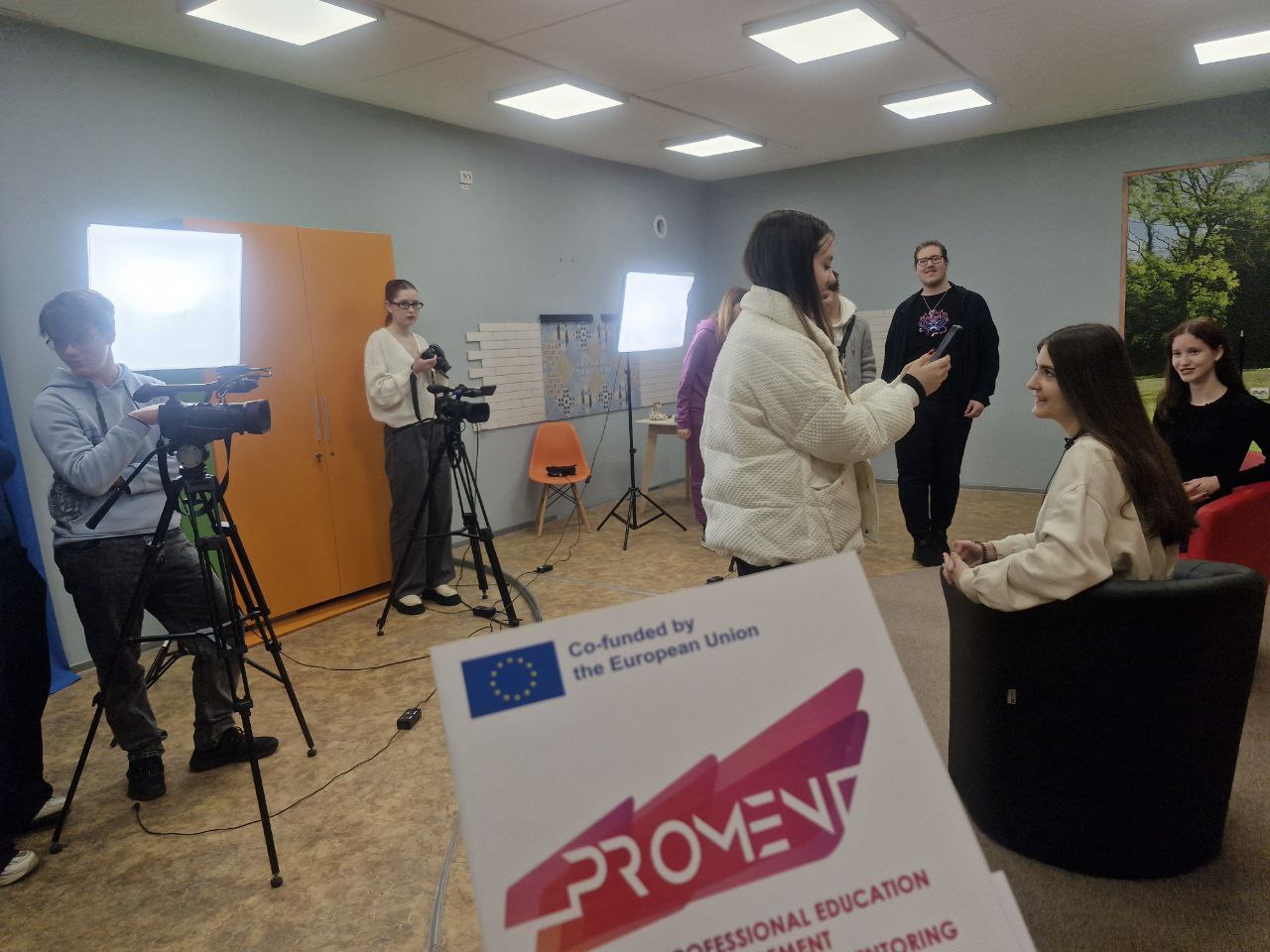
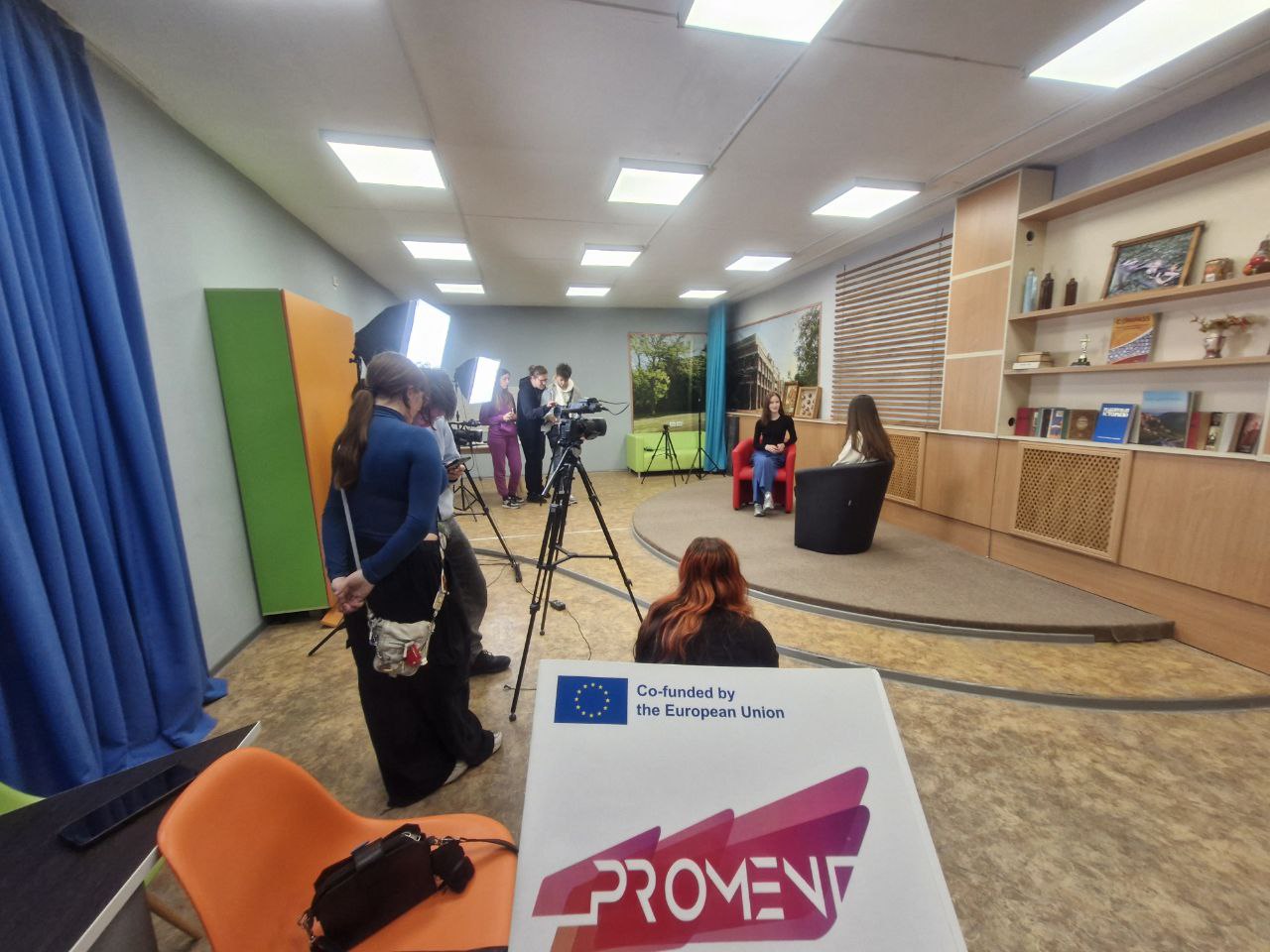
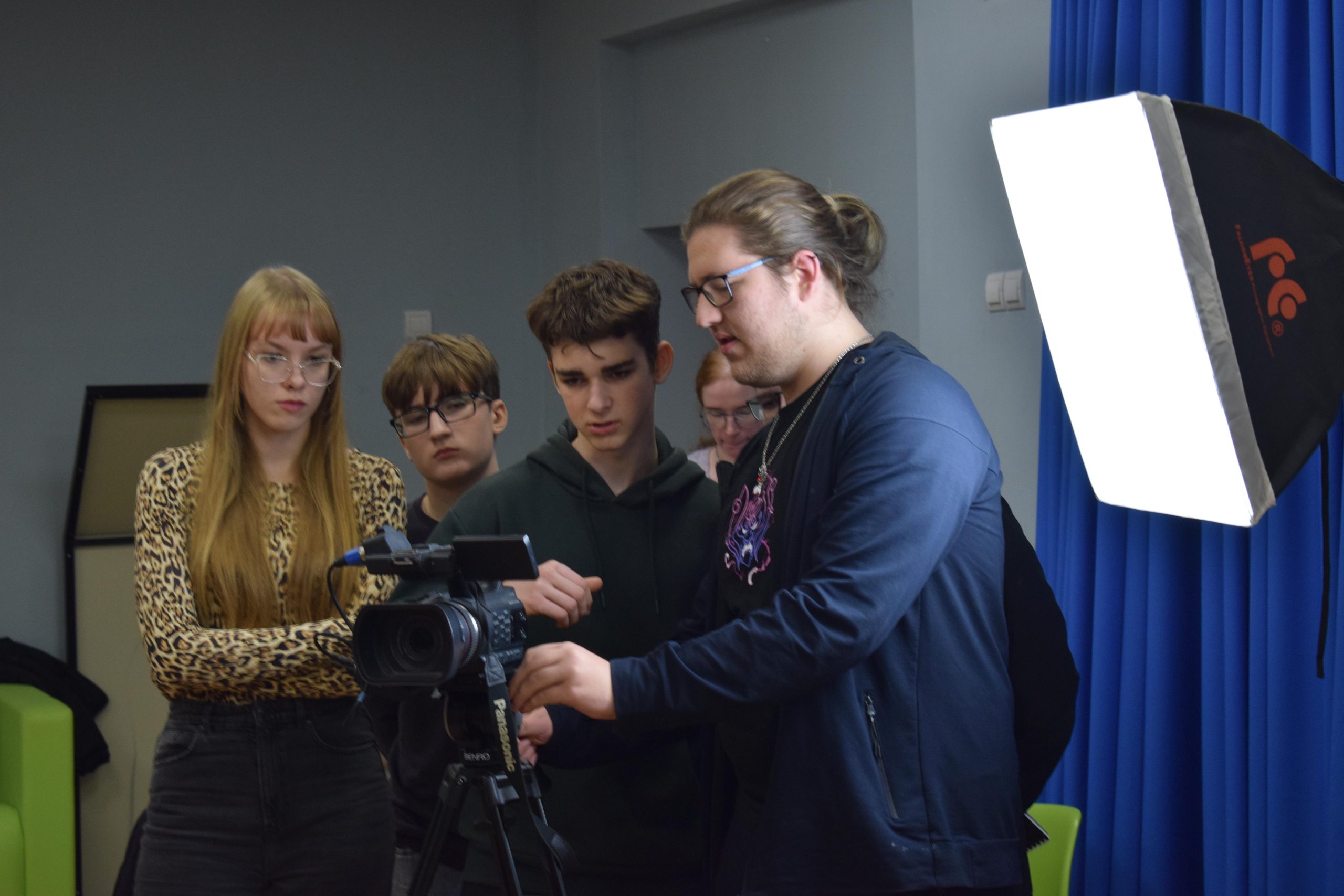
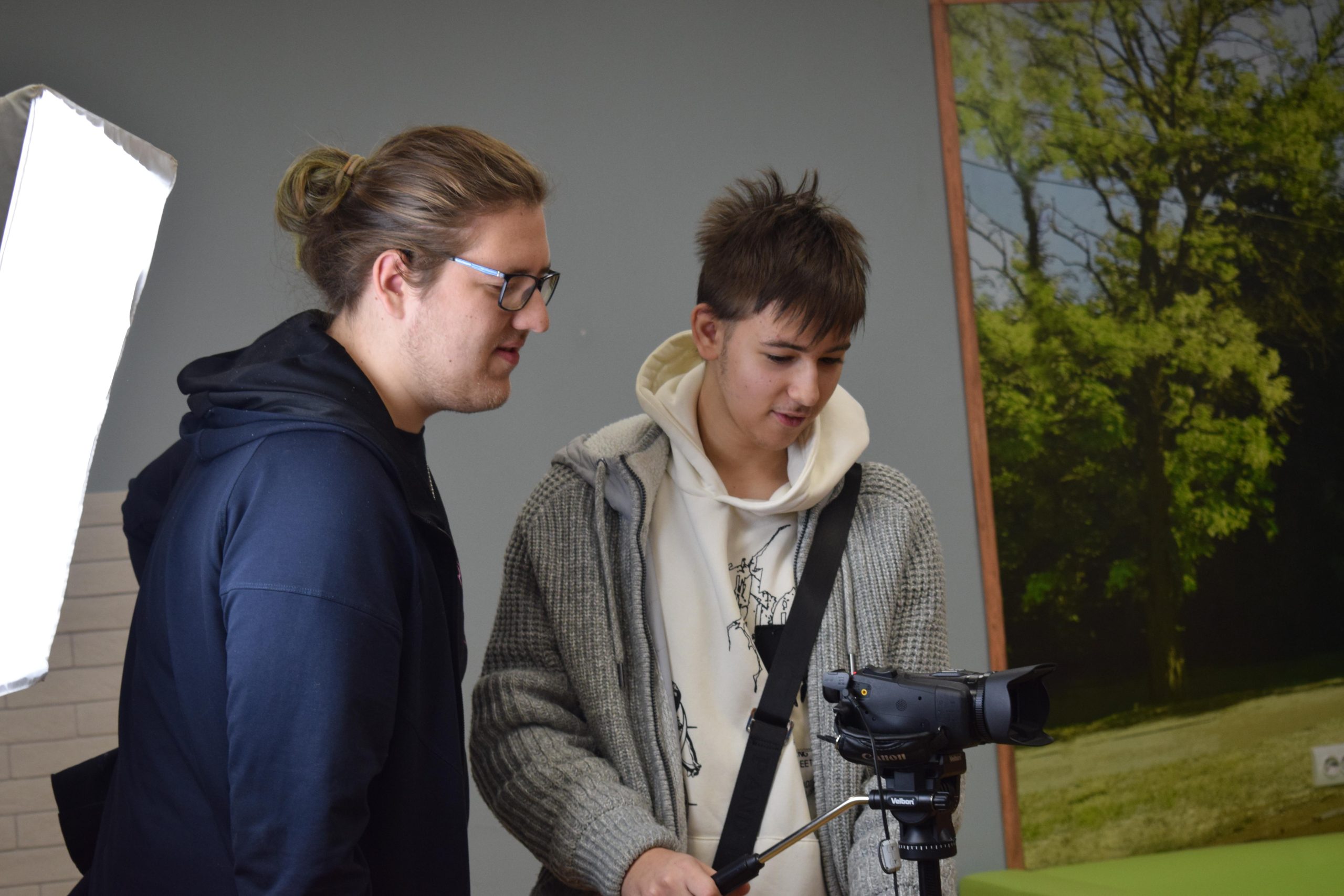
As part of the university event “Vacations at the University”, held for high school students, the Department of Journalism and Political Science of the Petro Mohyla Black Sea National University presented the specialty “Journalism” in a new format, combining it with the activities of the mentoring scheme “Gender Mentoring “Women in Science””, which is implemented within the framework of the Erasmus+ PROMENT project (Promoting professional education and students’ engagement through comprehensive mentoring and tutoring system at HEIs).
The goal of this initiative is to support young female scientists, students, and girls who plan to develop in the scientific field. During the meeting, high school students had the opportunity not only to learn about the specifics of studying in the Journalism specialty, but also to see how the media can become a powerful tool for popularizing science, protecting gender equality, and shaping social values.
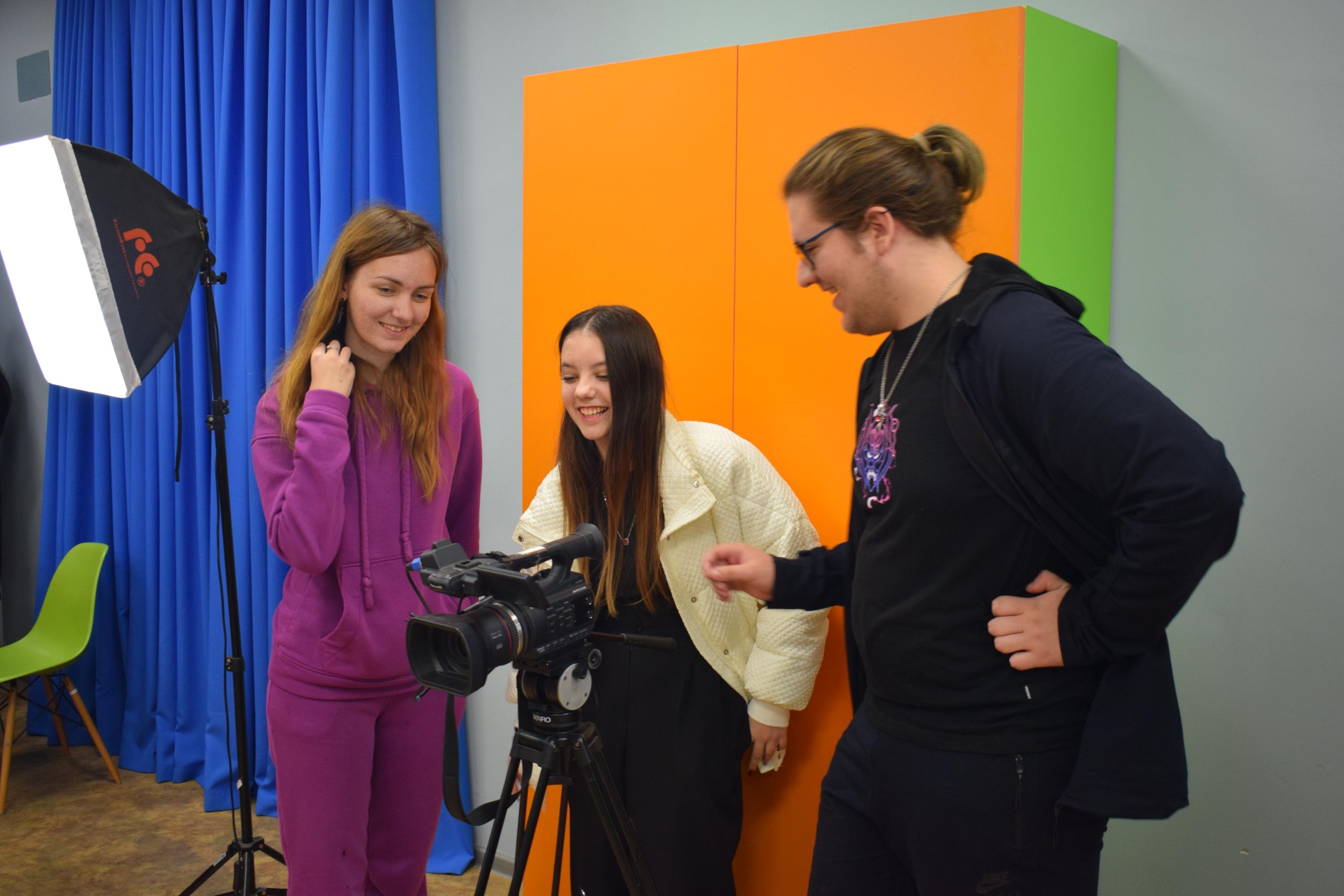
The event participants took part in a short workshop dedicated to the development of critical thinking, media literacy, and leadership competencies, and also discussed examples of successful careers of women in journalism and science.
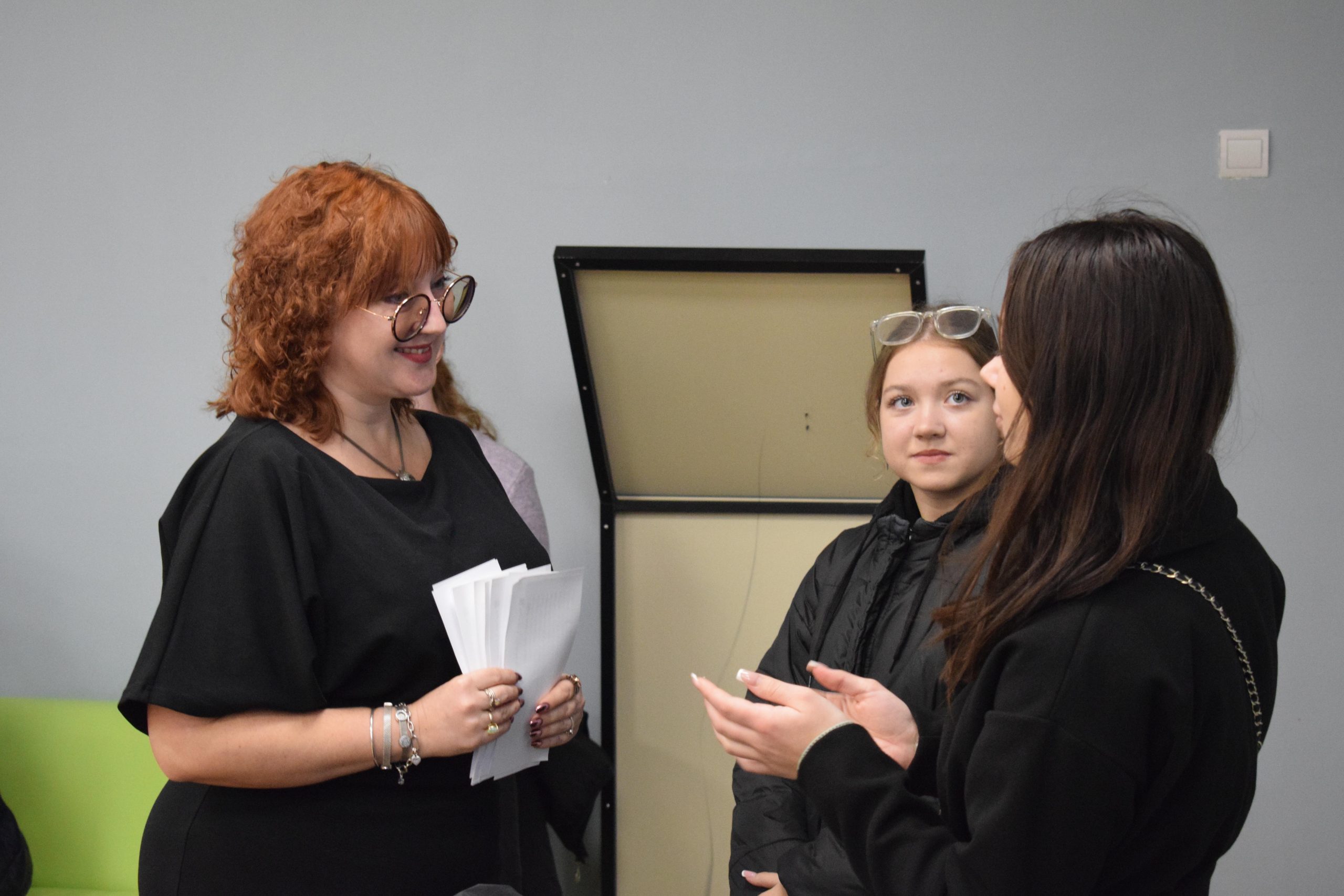
During the event, an interactive meeting was held dedicated to the role of women in journalism, media studies and science in general. The mentor of the scheme, candidate of political sciences, associate professor of the Department of Journalism and Political Science of the P. Mohyla Chernivtsi National University, coordinator of the program “Gender Mentoring “Women in Science”” Anna Solovyova shared her own experience of combining scientific activities with journalism, communications and media education. This format inspired high school students and showed that journalism can become not only a profession in the media field, but also a path to scientific and social development.
Special attention was paid to discussing current social topics – gender equality, science and education issues, cultural diversity. Thanks to such activity, the girls were able to see that journalism is not only a tool of mass communication, but also a powerful means of research, analytics, and social influence.
The event demonstrated the effectiveness of integrating mentoring programs into the university’s career guidance activities, contributed to the popularization of scientific careers among girls, and emphasized the role of women in shaping the modern media space.
This combination of career guidance and gender mentoring has become an effective example of an interdisciplinary approach that promotes scientific careers among girls and emphasizes the role of journalism in promoting the principles of equality, education, and development.